

Yoga Mat Thickness Guide India: 4mm, 6mm or 10mm?
Your yoga mat thickness decides how comfortable your knees feel, how steady you stay in standing poses, and how easily the mat fits in a small flat. Most Indian buyers pick a mat by colour or price and only later find it is too thin for their knees or too thick to balance on.
This guide compares 4 mm, 6 mm and 10 mm mats in plain language. It also covers EVA vs TPE, real ₹ prices from our store, and which thickness suits your floor, your routine and your budget.
Quick answer: which yoga mat thickness should you buy?
- 4 mm to 4.5 mm: Best for beginners on a budget, travel, and standing yoga on a carpeted or smooth floor.
- 6 mm: The best all-rounder for home use. Good cushioning without feeling wobbly.
- 10 mm: Best for floor exercises, Pilates, stretching and people with sensitive knees on hard floors. Less stable for balance poses.
If you can only buy one mat and want it to last, 6 mm is the safest choice for most homes.
4 mm vs 6 mm vs 10 mm yoga mat: comparison table
| Thickness | Material (Bionmart) | Price | Best for |
|---|---|---|---|
| 4 mm | EVA foam | ₹229 to ₹329 | Beginners, light stretching, carrying to a park or class |
| 4.5 mm | EVA foam | ₹229 | Everyday yoga and Pilates at home |
| 6 mm | EVA foam | ₹299 | Extra knee and wrist cushioning on tile or marble |
| 6 mm | TPE | ₹899 to ₹999 | Daily practice, a denser and more durable feel |
| 10 mm | TPE | ₹1,799 | Floor workouts, Pilates, sensitive joints |
Prices are current on bionmart.in at the time of writing and can change. See the full range in our yoga mat collection.
Is a 4 mm yoga mat enough?
For many beginners, yes. A 4 mm mat gives a firm connection to the floor, which helps in poses like tree pose and warrior. It is also light and rolls up small.
The trade-off is cushioning. On tiles, marble or cement floors, your knees and elbows will feel the hardness in poses like cat-cow or low lunge. If your home has hard flooring, consider going up to 6 mm, or fold the mat in half for kneeling poses.

Our 4 mm and 4.5 mm options
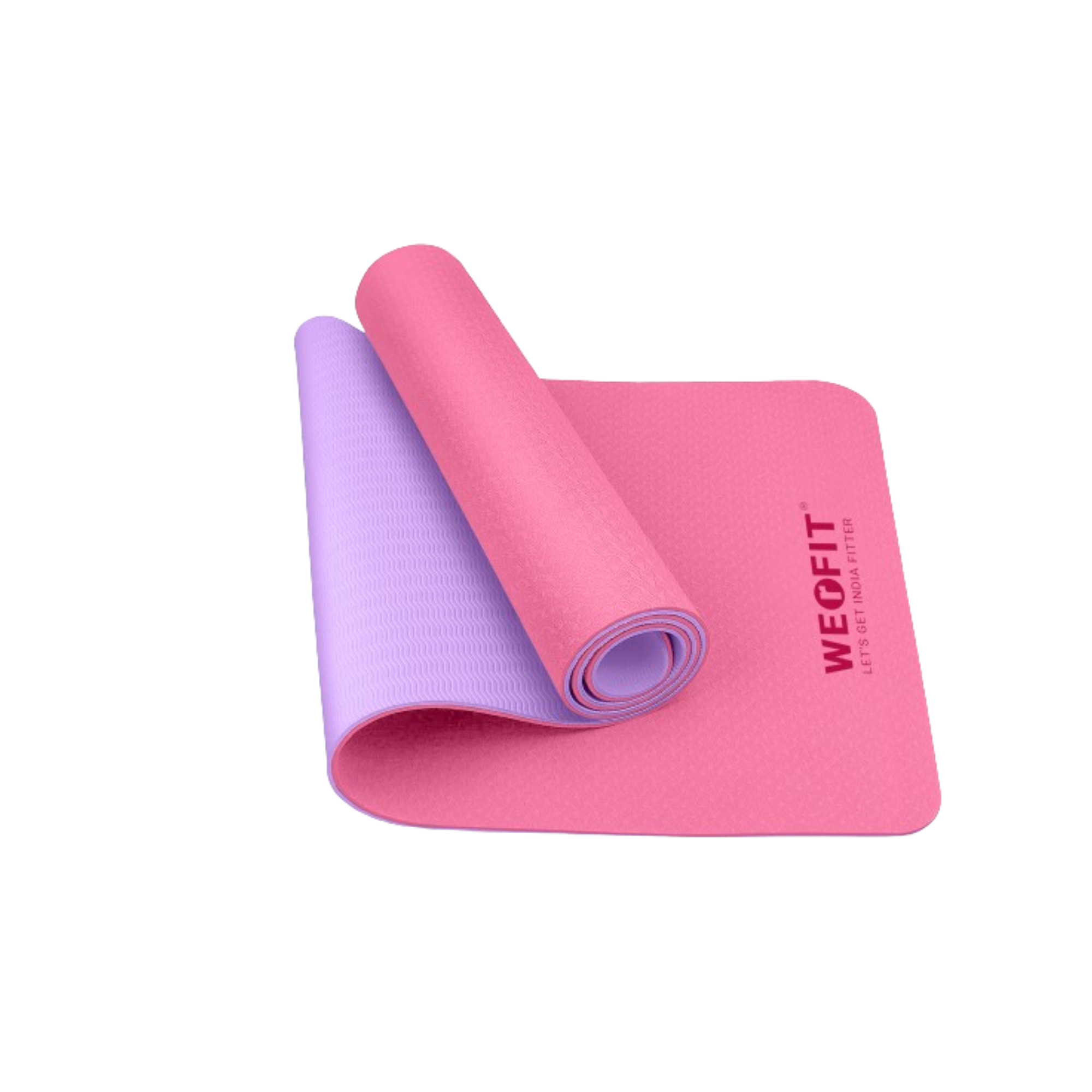
The WErFIT 4 mm and 4.5 mm EVA mats have a textured, anti-skid surface and come in several colours. The 4.5 mm pink version includes a carry bag, and the purple 4 mm version lists a weight of 450 g with a carry strap, as stated on the product pages.
Why 6 mm is the sweet spot for most Indian homes
A 6 mm mat adds a little more padding without making you feel unstable. It works for yoga, stretching, light Pilates and bodyweight exercises such as planks and glute bridges.
Most Indian homes have tile, marble or vitrified floors. These are hard and cold, so the extra millimetres make a real difference during floor work. A 6 mm mat is also easy to store behind a door or under a bed.
EVA or TPE in 6 mm?
We sell both. The WErFIT 6 mm EVA mat is ₹299 and is a good low-cost starter. The WErFIT 6 mm TPE mat (183 cm x 61 cm, with a carry strap in the pink version) costs ₹899 to ₹999. If you plan to practise most days, TPE is usually the better long-term pick, as explained below.
When should you choose a 10 mm yoga mat?
A 10 mm mat is thick. It is excellent for floor exercises where you lie, sit or kneel for a long time, such as ab work, stretching and Pilates. It is also kind to knees on hard floors.
The downside is balance. In standing poses, your foot sinks into the mat, which makes it harder to stay steady. If most of your practice is standing yoga or sun salutations, 6 mm is usually more comfortable. If you mostly do floor work, 10 mm is worth considering.

The WErFIT 10 mm TPE mat costs ₹1,799 and includes a carry strap. It comes in orange and in a pink and purple combination.
EVA vs TPE yoga mat: what is the difference?
| Point | EVA foam | TPE |
|---|---|---|
| Price | Lower (₹229 to ₹329 at Bionmart) | Higher (₹899 to ₹1,799 at Bionmart) |
| Feel | Soft and light | Cushioned and slightly denser |
| Best for | Beginners, kids, occasional use | Regular daily practice |
| Cleaning | Wipe with a damp cloth | Wipe with a damp cloth |
If you are not sure you will stick with yoga, start with an EVA mat. If you already practise most days, a TPE mat is a sensible upgrade.
How to choose a yoga mat for your home in India
- Check your floor. Tile, marble or cement floors need more cushioning (6 mm or more). Carpet or a rug allows a thinner mat.
- Think about your routine. Standing yoga suits 4 to 6 mm. Floor workouts and Pilates suit 6 to 10 mm.
- Measure your space. Small flats need a mat you can roll up quickly. Thinner mats are easier to store.
- Look for a textured surface. It helps stop your hands and feet from slipping, especially in humid monsoon weather.
- Set a realistic budget. A ₹229 to ₹299 EVA mat is fine to start. Move up to TPE when yoga becomes a habit.
Cleaning is simple. Wipe your mat with a damp cloth after use and let it dry fully before rolling it up, which matters during humid months.
Pair your mat with simple props
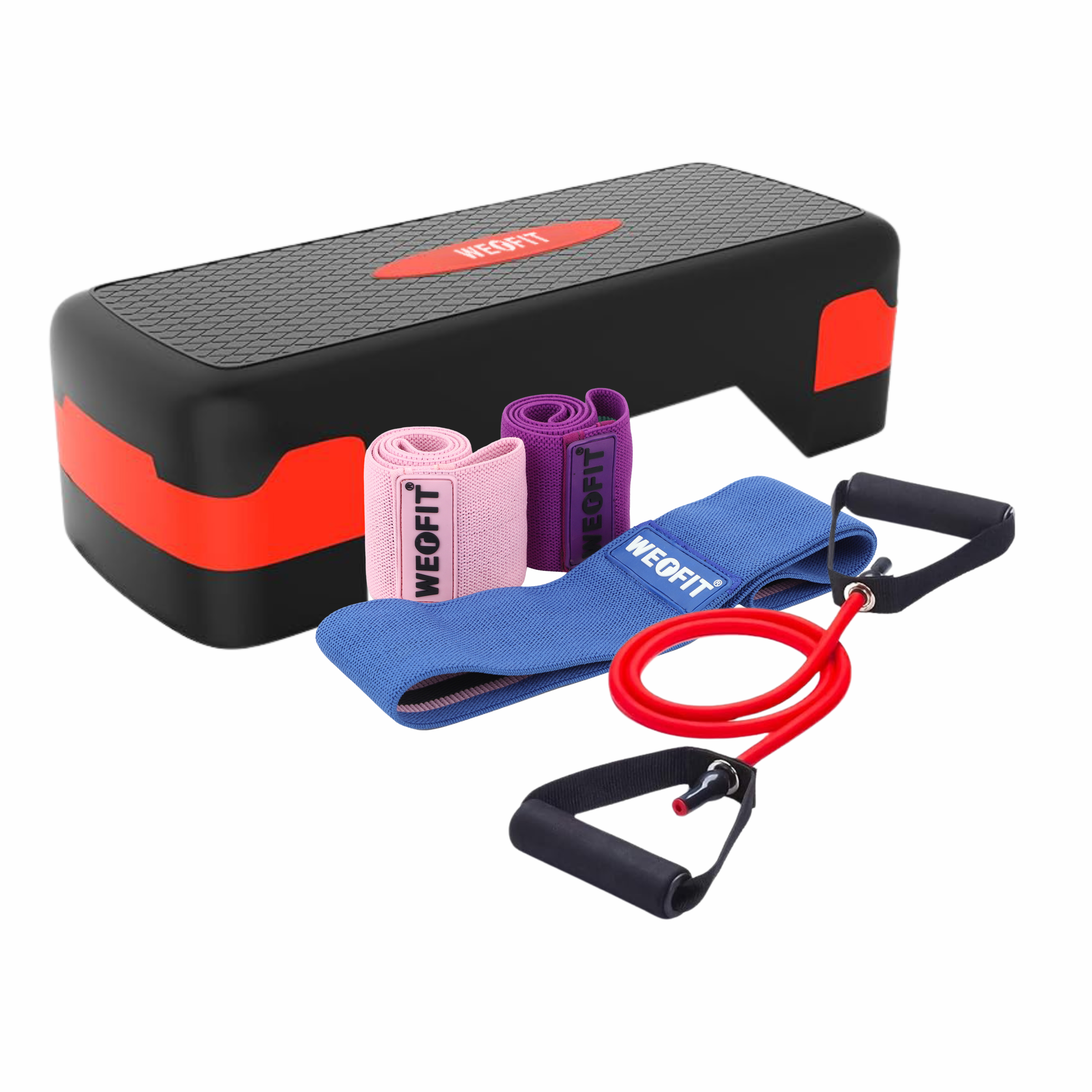
A mat is the base. Add a resistance tube to your stretching and strength routine, or try a balance board once you are comfortable with standing poses. If you are building a routine, our earlier post on flexibility and mobility training is a good next read.
For general guidance on how much activity adults need each week, see the WHO physical activity fact sheet and the NHS exercise guidelines. If you have an injury or a health condition, speak to a doctor before starting a new routine.
Questions about delivery or product issues? See our warranty page.
Frequently asked questions
What is the best yoga mat thickness for beginners?
For most beginners, 4.5 mm to 6 mm is a good range. It is comfortable enough for hard floors and firm enough to keep you stable.
Is a 6 mm yoga mat too thick?
No. 6 mm is a common all-round thickness. It cushions your joints while still letting you balance in standing poses.
Which is better, EVA or TPE yoga mat?
EVA is cheaper and light, which suits beginners. TPE costs more and suits people who practise often. Both can have a textured, non-slip surface.
Can I use a yoga mat on a tile or marble floor?
Yes. Choose 6 mm or thicker for better cushioning, and make sure the mat has a textured underside or surface so it does not slide.
How do I clean a yoga mat at home?
Wipe it with a damp cloth, let it air dry away from direct heat, and roll it up only when fully dry.
Final thoughts
If you are unsure, buy a 6 mm mat. Pick 4 to 4.5 mm if you want something light and cheap, and 10 mm if most of your workout is on the floor. Browse the full Bionmart yoga mat collection to compare thicknesses, colours and prices.