

Magnetic vs Friction Spin Bike: Which to Buy in India
Standing in front of two spin bikes with a price gap of ₹4,000 or more, most buyers ask the same thing: magnetic vs friction spin bike, which one should I buy? The honest answer depends on your budget, your flat, and how much noise your family can take at 6 am.
This guide explains both resistance types in plain words, with Indian prices, so you can decide in ten minutes. If you are still choosing a machine type, our spin bike collection is a good place to see what is available.
What is the difference between magnetic and friction resistance?
Every spin bike has a heavy flywheel at the front. Resistance is how the bike makes that flywheel harder to turn. The two common systems do this very differently.
Friction resistance: a pad that presses on the flywheel
A felt or leather pad presses against the flywheel when you turn the knob. The harder it presses, the harder you pedal. It is simple, strong and cheap to build, which is why most spin bikes under ₹10,000 use it.
- Pros: lower price, wide range of resistance, a realistic "studio bike" feel.
- Cons: the pad wears with use, can make a light rubbing sound, and may need adjusting or replacing over time.
Magnetic resistance: magnets near the flywheel, no contact
Magnets sit close to the flywheel and change how strongly they pull on it. Nothing touches the flywheel, so there is no pad to wear out.
- Pros: very quiet, smooth, and almost no routine maintenance.
- Cons: usually costs more, and cheaper magnetic bikes may not feel as "heavy" at the top levels.
Magnetic vs friction spin bike: quick comparison
| Factor | Friction | Magnetic |
|---|---|---|
| Typical price at Bionmart | About ₹7,900 to ₹10,000 | About ₹11,500 and above |
| Noise | Low to moderate; pad can rub | Very low |
| Maintenance | Pad checks and replacement over time | Minimal |
| Feel | Firm, close to a studio bike | Smooth and even |
| Best for | Tight budgets, regular riders who like a strong feel | Small flats, early-morning or late-night rides, low-fuss ownership |
Prices are the listed prices at the time of writing and can change during sales, so please check the product pages before you buy.
Which one is better for a small Indian flat?
If you live in an apartment with thin walls or sleeping family members, noise matters more than most buyers expect. A magnetic bike is the safer pick for a silent spin bike for home use, especially if you ride before sunrise or after dinner.
Friction bikes are not loud by default. A well-adjusted pad with a belt drive stays fairly quiet. But a pad that is dry or worn can squeak, and that is the sound neighbours notice.
Think about monsoon humidity too
In coastal cities and during the monsoon, damp air can affect any metal part. Wipe the frame and flywheel area after sweaty sessions and keep the bike away from open windows or a wet balcony. With a friction bike, keep an eye on the pad for dust or moisture. A magnetic system has no contact part, so there is less to look after.
Which one is better for weight loss?
Neither system burns more fat by itself. What matters is how often you ride and how hard you work. Harvard Health lists a 155 lb (about 70 kg) person as burning around 252 calories in 30 minutes of moderate stationary cycling, and more at a vigorous pace. You can read the figures in the Harvard Health calorie chart. Your own number will differ with body weight and effort.
So the better bike for weight loss is the one you will actually ride five days a week. If noise would stop you from riding early, choose magnetic. If budget is the limit, a friction bike works well. Pair it with sensible food choices, and speak to a doctor first if you have a health condition or have not exercised for a long time.
How much flywheel weight and user capacity do you need?
Resistance type is only one part of the decision. Check these as well:
- Flywheel weight: most home spin bikes in this range use a 6 kg flywheel, which is fine for beginners and regular fitness riding.
- User weight limit: choose a bike rated above your body weight. Many Bionfit models list 100 kg to 120 kg, and the CycloneX lists 150 kg.
- Adjustability: the seat and handlebar should move so your knees stay slightly bent at the bottom of the pedal stroke.
- Space: measure the spot first. Product pages mention a compact design and transport wheels, but exact dimensions are not always listed.
- Delivery and setup: product pages offer free installation. Confirm what that covers at checkout, and read the warranty page for claim steps.

Bionfit spin bikes to look at in each category
Friction options under ₹10,000
- BIONFIT BNF-01 Pro: listed at ₹7,900 with a 6 kg flywheel, 8 resistance levels and support for users up to 120 kg.
- BIONFIT Cardio X: listed at ₹8,999 with a 6 kg metal flywheel and support for users up to 100 kg.
- BIONFIT BI-1011KA Pro Max: listed at ₹9,999 with a 6 kg flywheel, 8 resistance levels and a 120 kg limit.
Magnetic options
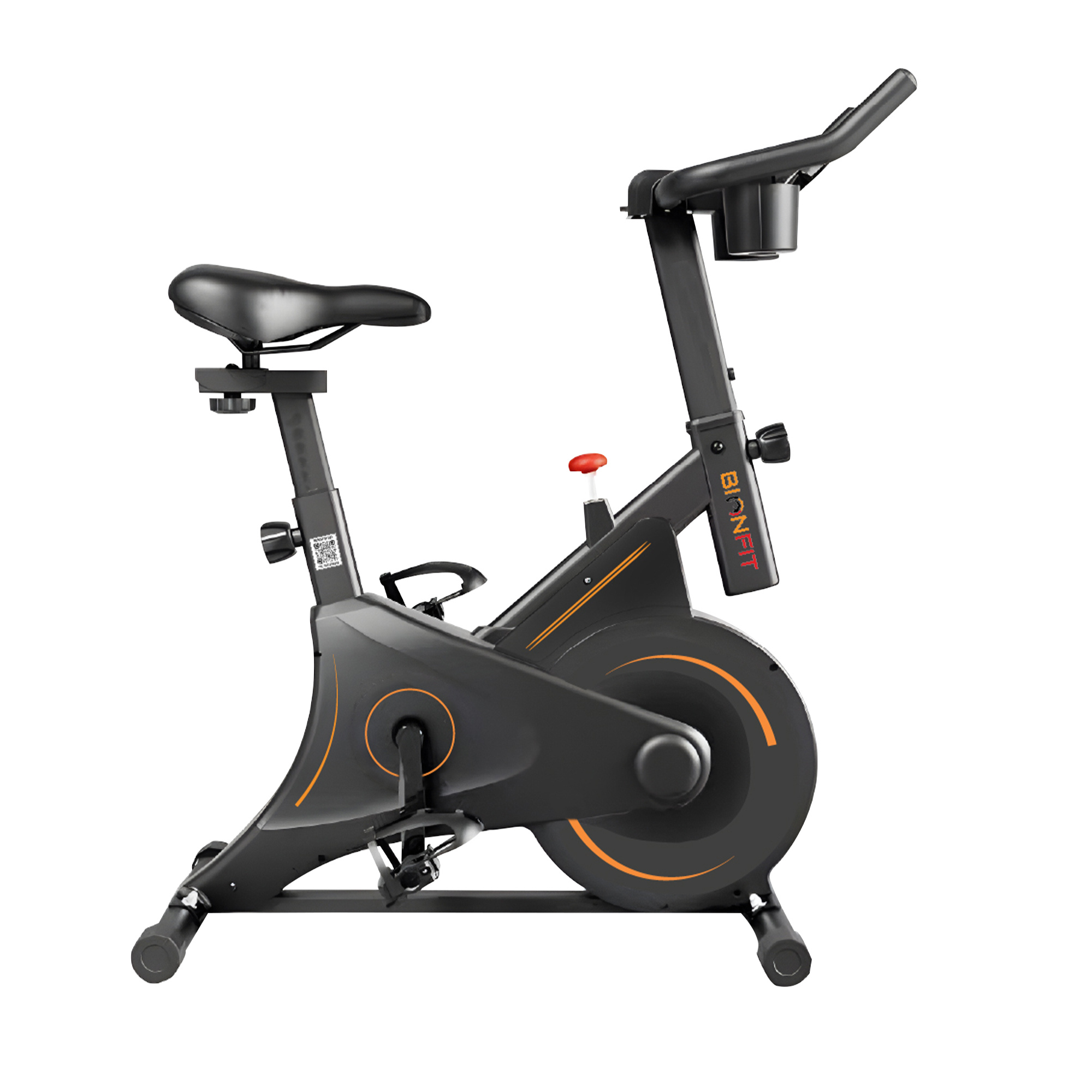
- BIONFIT ApeXPro: listed at ₹11,570 with magnetic resistance for quiet rides. Check the product page for the latest flywheel and capacity details.
- BIONFIT CycloneX: listed at ₹18,999 with magnetic resistance, a 6 kg flywheel and a 150 kg user limit.
Stock changes often, so open the page to confirm availability.
Simple rule: which should you buy?
- Choose friction if your budget is under ₹10,000, you ride in the daytime, and you do not mind a quick pad check now and then.
- Choose magnetic if you ride very early or late, share thin walls, or want the least upkeep.
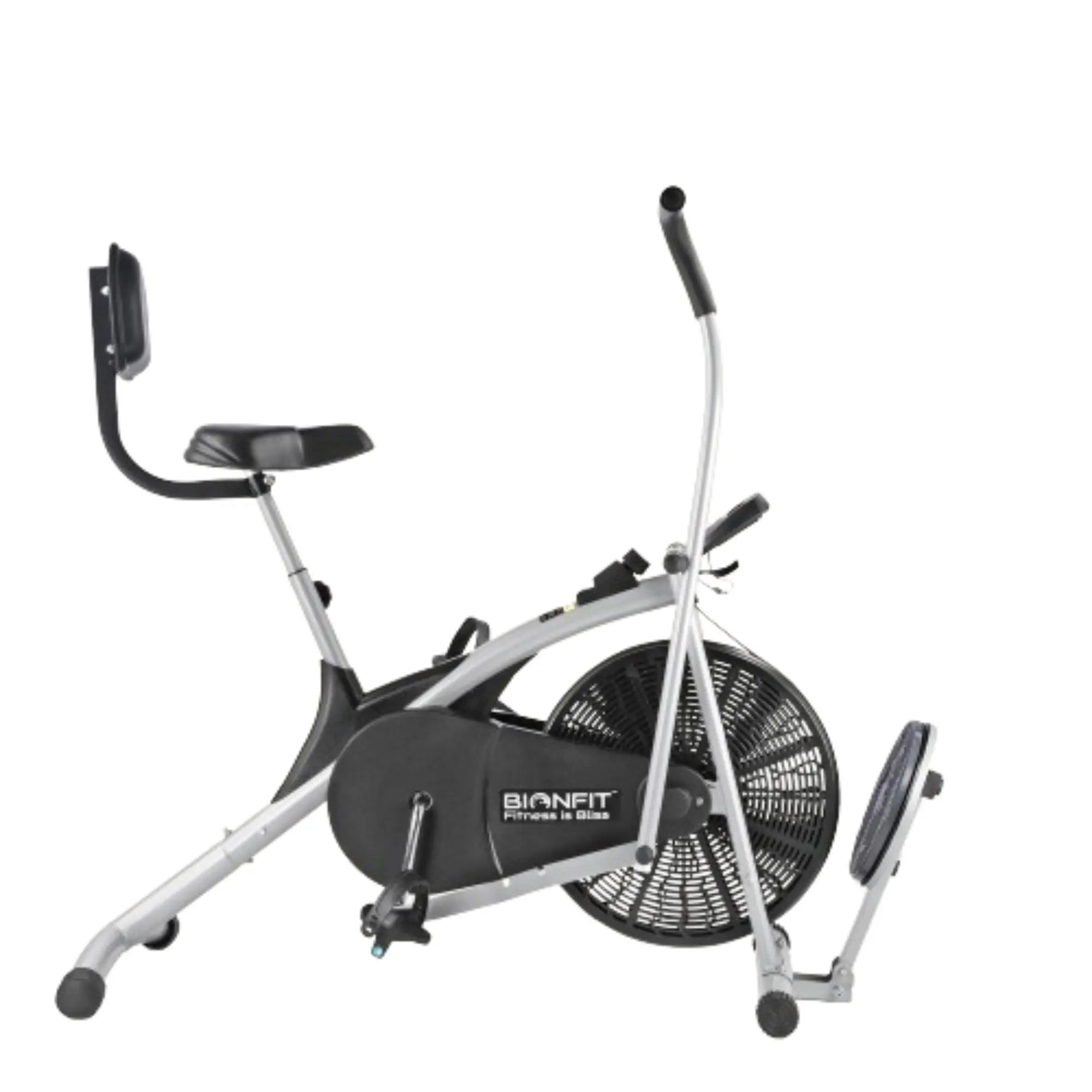
- Not sure you will stick with cycling? A friction bike is a low-risk start. You can also compare it with an air bike, which works arms and legs together. Our post on air bike HIIT workouts shows how that style of training works.
- Prefer walking or running? Read our guide to the best treadmills under ₹15,000 before you decide.

Frequently asked questions
Is a magnetic or friction spin bike better for home use?
Magnetic is better if you want quiet and low upkeep. Friction is better if you want a lower price and a firm studio feel. Both are fine for home fitness.
Is a friction spin bike noisy?
A properly adjusted friction bike is usually fairly quiet, but a dry or worn pad can rub or squeak. A magnetic bike has no contact part, so it is generally quieter.
Which spin bike is best for weight loss?
No bike burns fat on its own. Regular rides, steady effort and balanced eating matter most. Pick the bike that fits your budget and noise needs so you ride often.
What flywheel weight is good for a home spin bike?
A 6 kg flywheel is common and works well for most beginners and regular riders. Heavier flywheels can feel smoother, but check the price and your space.
Do spin bikes need maintenance?
Yes, a little. Wipe it down after rides, check that nuts and pedals are tight, and keep the bike dry. Friction bikes also need the pad checked from time to time.
Final thoughts
For most Indian homes, the magnetic vs friction spin bike choice comes down to noise and budget. Pick friction to save money, and magnetic for peace and low upkeep. Whichever you choose, set the seat correctly and start with short rides.
Ready to compare? Browse the full Bionmart spin bike collection and pick the one that fits your room and your routine.